
Understanding the Costs of Paver Installation in Your Outdoor Spaces
Transforming an outdoor living area with custom hardscaping represents one of the most rewarding physical enhancements a property owner can undertake. Installing interlocking hardscape units elevates curb appeal, creates functional entertainment zones, and establishes lasting structural beauty across patios, walkways, pool decks, and driveways. However, embarking on a major exterior renovation requires a thorough understanding of the primary financial factors that influence overall project pricing. From raw material sourcing and excavation demands to labor requirements, site accessibility, and long-term maintenance, multiple variables shape the final investment required for a successful outdoor transformation. Evaluating these core cost drivers empowers property owners to budget effectively, choose appropriate materials, and select qualified hardscaping professionals who deliver lasting structural craftsmanship.
Achieving a durable, visually striking exterior surface depends heavily on careful site preparation and expert installation techniques. While temporary surface treatments like poured asphalt or unreinforced concrete slabs might seem economical initially, they frequently succumb to cracking, shifting, and surface erosion under harsh weather conditions. Investing in individual paver units provides a flexible, high-strength hardscaping solution that accommodates natural ground movement without structural failure. Understanding how material grades, site conditions, subterranean base preparation, and custom design patterns affect overall pricing allows property owners to navigate the planning phase with total confidence. Exploring the key components of hardscaping costs ensures that your investment yields a breathtaking, long-lasting outdoor space tailored to your lifestyle and budget.
Evaluating Material Selection and Premium Hardscape Choices
Evaluating primary material options represents the foundation of budgeting for any exterior hardscaping project. Hardscape units come in a wide range of compositions, including manufactured concrete, high-fired clay brick, natural granite, slate, and elegant travertine stone. Basic manufactured concrete units provide a versatile, budget-friendly baseline, offering numerous shapes, textures, and color tones that mimic natural stone at an accessible price point.
Higher-end natural stone options require specialized quarrying, custom cutting, and delicate transportation, which increases raw material costs significantly. Similarly, high-fired clay options deliver timeless warmth and exceptional color retention, though they demand higher manufacturing investments. Selecting the ideal paver material requires balancing personal aesthetic preferences against budget constraints, ensuring that your choice delivers the desired visual warmth while meeting long-term durability expectations for your specific application.
Assessing Site Preparation and Deep Excavation Requirements
Assessing property conditions prior to installation plays a critical role in establishing total project labor and machinery expenses. Creating a stable, long-lasting hardscape surface demands proper subterranean site preparation, including deep soil excavation, grading, compacting, and installing a thick crushed aggregate base layer. Properties featuring steep slopes, dense clay soil, heavy tree root networks, or poor natural drainage require extensive earthmoving work before any surface material can be laid down.
Furthermore, limited site accessibility for heavy machinery increases manual labor demands, pushing project timelines and labor costs higher. Inaccessible backyards that require transporting excavated dirt and heavy crushed aggregate using manual wheelbarrows instead of skid steers demand additional labor hours. Investing in rigorous base preparation guarantees that your paver installation resists sinking, shifting, and water pooling over decades of continuous use, protecting your financial investment from premature failure.
Calculating Pattern Complexity and Custom Architectural Designs
Calculating spatial layout design and installation complexity directly impacts overall labor expenditure. Simple geometric patterns, such as traditional running bond or classic stacked bond layouts, feature straightforward linear cuts that allow installation crews to progress rapidly across large square footage areas. Straightforward layouts keep labor hours low and minimize material waste generated during the cutting process.
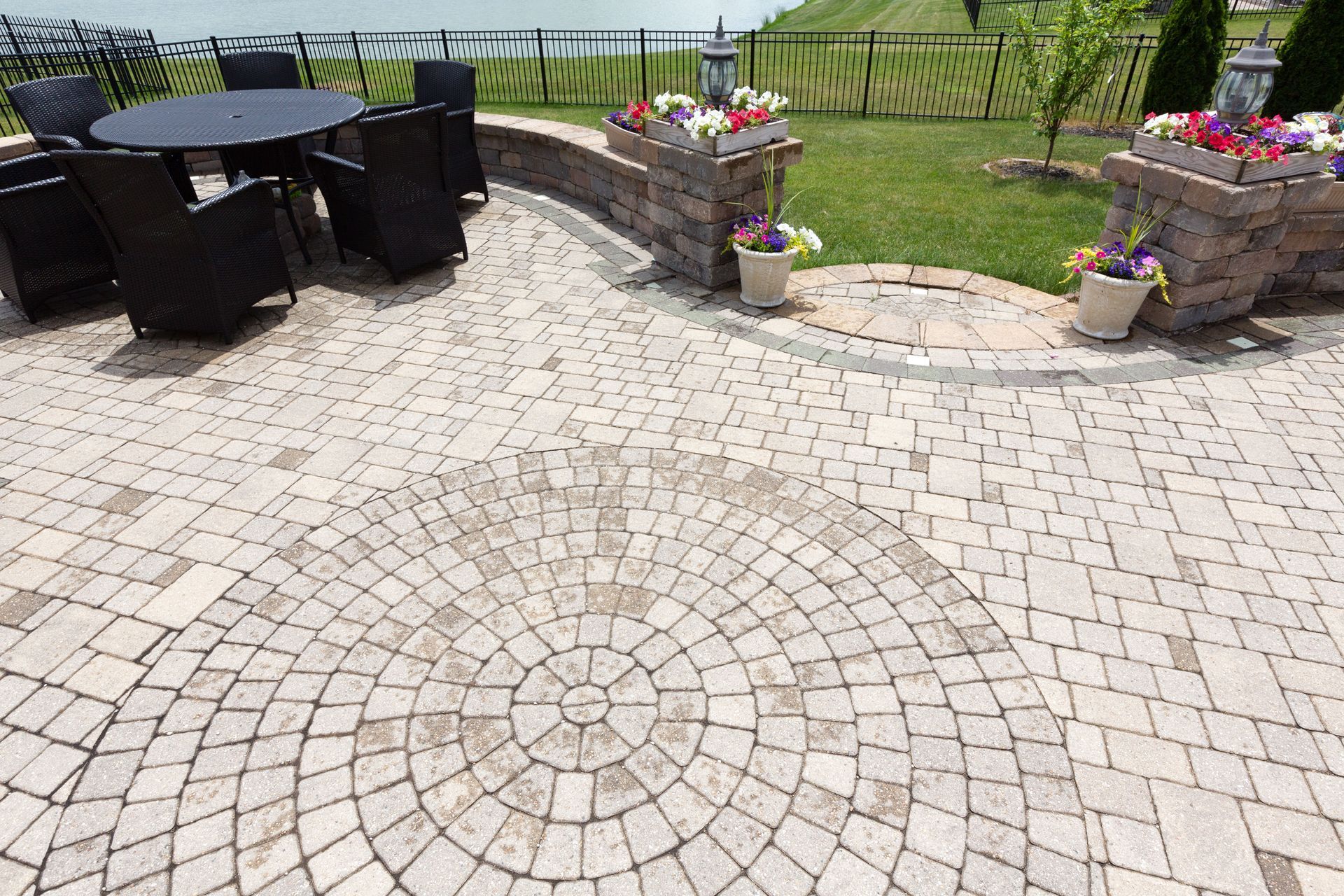
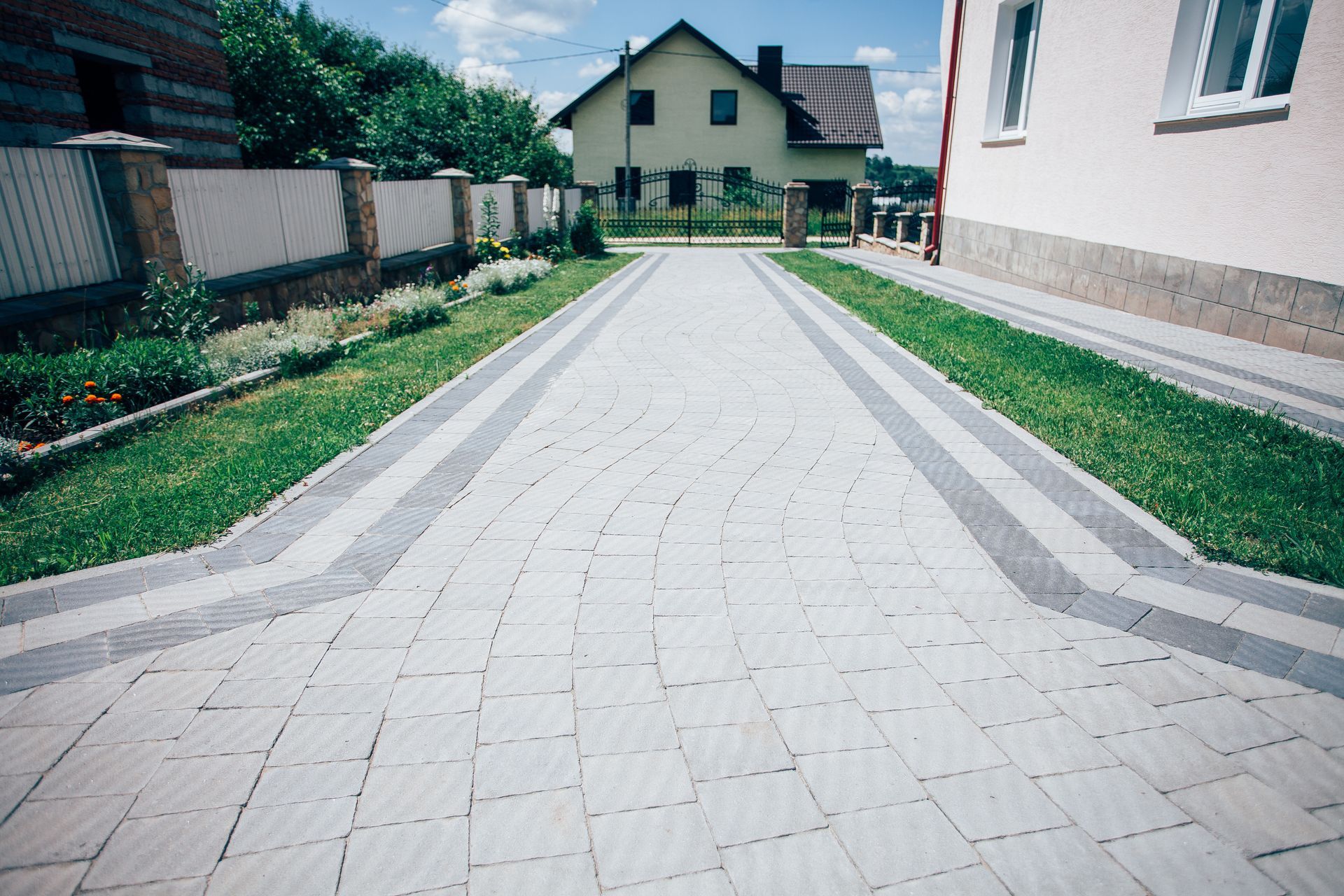
Conversely, intricate custom patterns like complex herringbone, multi-size ashlar patterns, circular focal points, or sweeping serpentine borders require tedious manual cutting and precise alignment work. Detailed border trims and circular designs increase waste factors, requiring extra material purchases to account for custom-cut edge pieces. Selecting a sophisticated paver pattern adds undeniable visual elegance and architectural distinction to your patio or driveway, though property owners must account for the additional labor hours required for precise fitting.
Comparing Long-Term Durability Against Alternative Paving Options
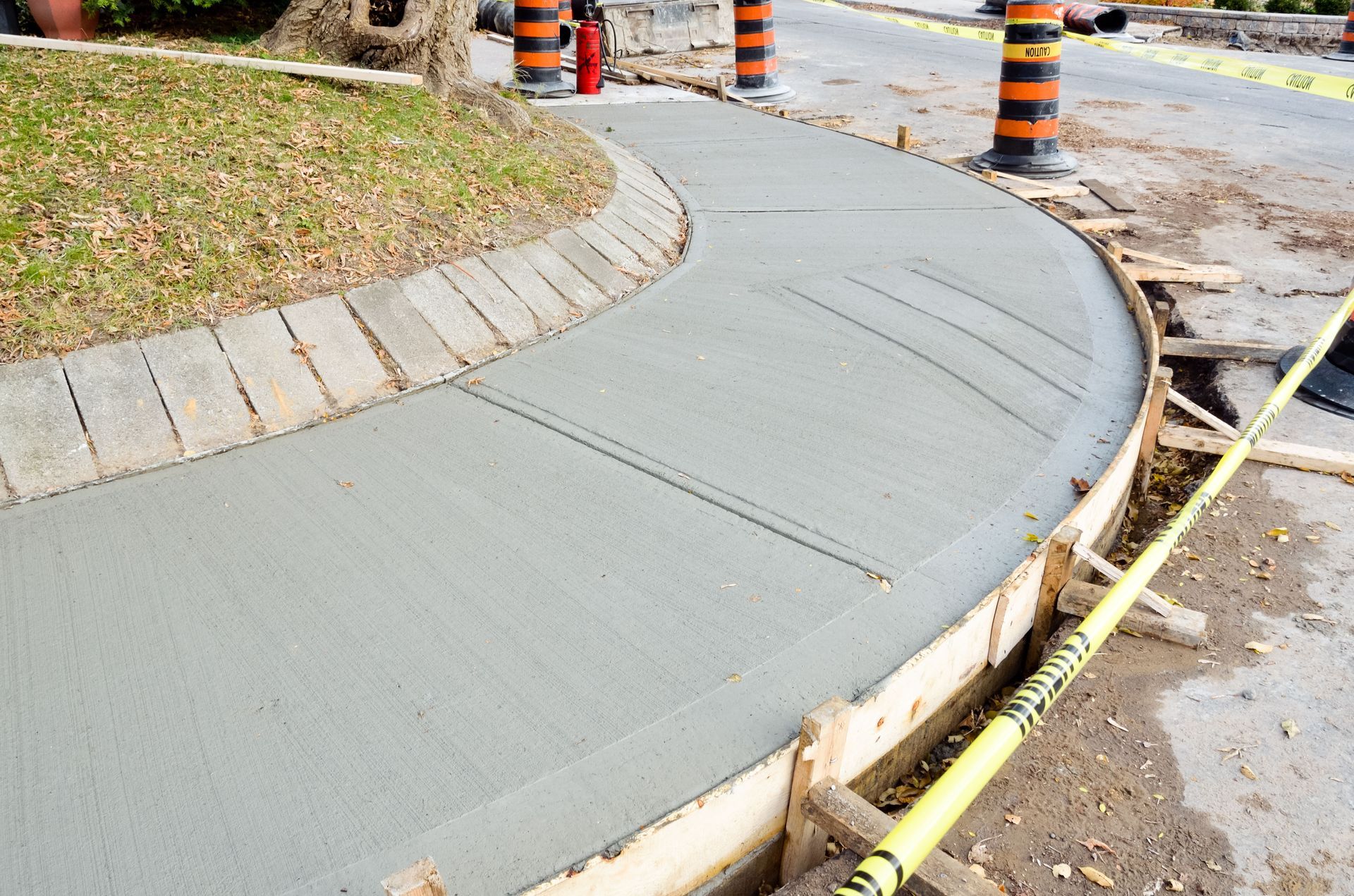
Comparing long-term performance and maintenance requirements reveals significant value distinctions between modular unit installations and traditional solid surface options. Monolithic concrete slabs and traditional asphalt surfaces are prone to cracking when subterranean soil shifts or freeze-thaw cycles exert upward pressure. Once a solid concrete slab cracks, repairing the damage seamlessly proves nearly impossible, often necessitating complete removal and costly replacement.
Understanding broader infrastructure realities highlights the widespread challenges facing traditional poured road surfaces over time. According to the National Asphalt Pavement Association, 43% of major roads in the U.S. are in poor or mediocre condition. Unlike continuous asphalt or solid concrete, interlocking paver systems feature flexible joints filled with specialized polymeric sand, allowing individual units to articulate slightly with ground movement without cracking. If a single unit becomes stained or damaged over time, it can be removed and replaced individually without disturbing surrounding hardscape elements, keeping long-term maintenance costs extremely low.
Factoring Sealing Protocols and Ongoing Surface Protection
Factoring ongoing maintenance requirements into your overall budget ensures that your new outdoor space maintains its vibrant color and structural integrity over time. Applying high-grade joint-stabilizing sealants protects porous concrete and natural stone surfaces against oil stains, tire marks, weed growth, UV fading, and harsh winter de-icing chemicals. Sealing hardscape surfaces hardens the joint sand between individual units, preventing rain erosion and insect intrusion.
While professional sealing adds a modest initial expense to the overall installation cost, it drastically reduces long-term cleaning and restoration expenses. Reapplying protective sealant every few years keeps hardscape colors vibrant, prevents deep stain penetration, and preserves structural stability across driveways, walkways, and pool decks. Choosing to seal your paver investment protects your outdoor living space from environmental weathering, ensuring that your patio remains an attractive, low-maintenance feature season after season.
Hiring Skilled Contractors and Professional Hardscaping Crews
Hiring certified, experienced hardscaping professionals ensures that your installation complies with strict industry standards, proper slope drainage requirements, and local building codes. While attempting a self-installed DIY hardscaping project might seem like a way to eliminate labor expenses, improper base compaction, incorrect edge restraint placement, or poor slope planning leads to uneven surfaces, water pooling against home foundations, and rapid structural failure.
Professional hardscaping contractors possess specialized heavy compaction equipment, precision diamond-blade cut saws, laser leveling tools, and deep trade expertise required to execute flawless installations. Reputable contractors carry liability insurance, provide clear written warranties, and handle municipal permit requirements, shielding property owners from unexpected financial risks. Partnering with a licensed hardscaping specialist guarantees that your paver installation is constructed to withstand heavy vehicular loads, weather extremes, and continuous daily foot traffic safely.
At Epic Pavers, we are deeply committed to transforming your outdoor living environment through master hardscaping craftsmanship, commercial-grade materials, and dedicated customer care. Our team of certified hardscape specialists brings deep industry expertise, advanced installation technology, and meticulous attention to detail to every custom patio, driveway, walkway, and pool deck project we execute across our community. We take immense pride in evaluating your unique property terrain, analyzing your lifestyle goals, recommending premium material options, and delivering tailored hardscaping solutions that combine striking visual beauty with rock-solid structural stability. Furthermore, our specialists prioritize transparent communication, clean job site management, and exceptional service standards from initial site design through final joint sealing and project walkthrough. We carefully inspect every excavation depth, base compaction layer, cut edge, and joint sand finish to guarantee flawless operational performance and timeless outdoor elegance. Contact us today to schedule your comprehensive design consultation and discover the true value of working with dedicated local hardscaping specialists.


Share On: